The future of transportation is changing. Across the world, electric vehicles are reshaping how people and businesses think about mobility, energy consumption, and transportation infrastructure.
In Ghana, this transition presents an opportunity to develop a more efficient, connected, and sustainable mobility ecosystem. But making electric mobility accessible requires more than introducing electric vehicles and installing charging stations.
It requires reliable digital infrastructure.
Behind every successful charging experience is a network of interconnected technologies responsible for communicating with charging equipment, managing energy sessions, processing transactions, monitoring infrastructure, and delivering a seamless experience to drivers and businesses.
At Access 89, we believe that building the future of electric mobility requires bringing these technologies together into intelligent, scalable platforms.
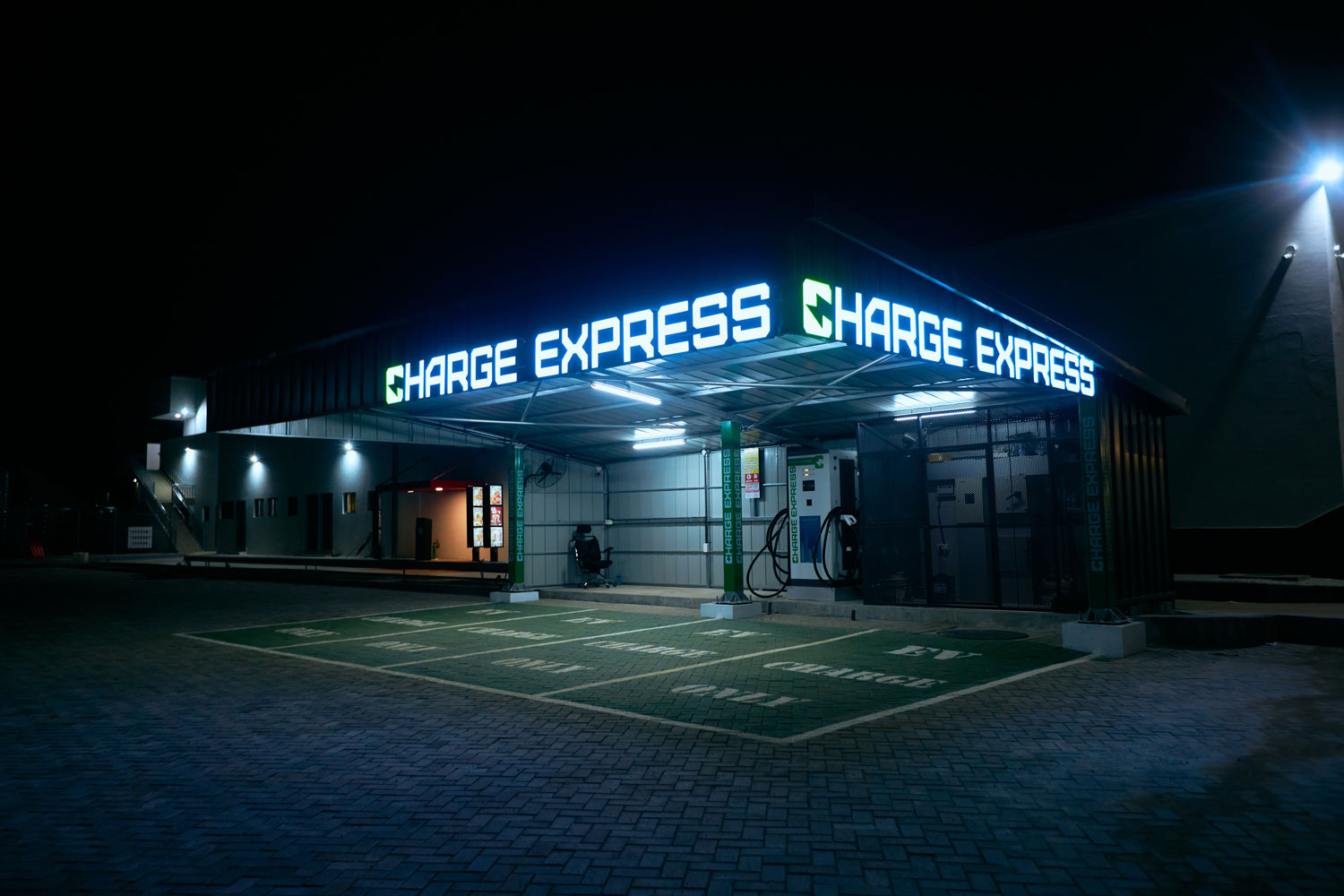
Through our involvement with Charge Express, an electric vehicle charging infrastructure company, we are applying our expertise in software engineering, cloud infrastructure, systems integration, and digital payments to help develop the technology supporting electric mobility in Ghana.
Our work reflects a broader commitment to engineering digital infrastructure that enables emerging industries to grow.
Building the infrastructure behind electric mobility
The transition to electric vehicles introduces an entirely new set of operational and technological requirements.
Unlike traditional fuel stations, electric vehicle charging infrastructure depends heavily on software to coordinate interactions between vehicles, chargers, operators, payment systems, and customers.
Charging stations must be able to communicate their availability, initiate and terminate charging sessions, report energy consumption, and provide operators with information about equipment performance.
Customers need convenient ways to locate charging stations, understand pricing, initiate charging, and pay for the energy they consume.
Businesses operating electric vehicle fleets require additional capabilities, including centralized account management, charging visibility, transaction records, and consolidated billing.
For charging infrastructure operators, these requirements create a need for a connected technology platform capable of managing both the physical charging infrastructure and the digital services surrounding it.
This is where Access 89’s engineering capabilities come into play. By combining software development, device integration, cloud technologies, and financial systems, we are helping establish the digital capabilities needed to support a growing electric mobility ecosystem.
Connecting physical charging infrastructure to intelligent software
At the center of our technology work is the integration between electric vehicle charging equipment and the digital systems used to manage it. Charging stations are physical devices, but their effective operation depends on reliable communication with centralized management platforms.
Through the implementation of industry-standard communication protocols, including the Open Charge Point Protocol (OCPP), our engineering work supports communication between compatible charging equipment and backend systems.
This enables charging infrastructure to exchange essential operational information, including charger availability, charging session status, energy consumption, and device activity. It also creates the technical foundation for remotely managing charging sessions and monitoring equipment performance.
Developing these capabilities requires careful attention to system reliability, transaction consistency, and communication between physical devices and cloud-based applications.
For example, charging systems must be designed to handle interrupted connections, delayed messages, unexpected session states, and differences in how charging equipment communicates operational events.
Our work involves addressing these engineering challenges so that charging infrastructure can operate more consistently and provide operators with the information needed to manage their networks. The result is a technology foundation designed to make charging infrastructure more connected, manageable, and scalable.
The long-term opportunity is not simply to digitize charging stations, but to support an ecosystem where infrastructure, energy, payments, businesses, and customers can interact more efficiently.
Making electric vehicle charging more accessible
For electric mobility to achieve widespread adoption, the charging experience must be convenient, predictable, and easy to use. Drivers should be able to interact with charging infrastructure without navigating unnecessarily complicated processes.
Digital technology plays an essential role in creating that experience.
Through our work with Charge Express, we are supporting the development of digital capabilities that connect charging infrastructure with the people and businesses using it. These capabilities include managing charging sessions, capturing transaction information, and supporting the digital processes associated with charging services.
By connecting charging activity with customer-facing and operational systems, the platform creates opportunities for a more seamless charging experience. It also provides the foundation for future capabilities such as improved station discovery, customer engagement, automated notifications, and more advanced charging services.
Our approach is to build technology that can evolve as the electric mobility market develops.
Supporting businesses transitioning to electric fleets
While individual electric vehicle ownership is an important part of the mobility transition, commercial fleets represent another significant opportunity. Organizations operating delivery vehicles, corporate fleets, and other transportation services need effective ways to manage charging activities across multiple vehicles and users.
For these businesses, charging is not simply an individual transaction. It becomes part of a broader operational and financial management process.
Through Charge Express, Access 89 has worked on digital capabilities designed to support corporate charging operations. These include a corporate fleet portal that enables businesses to manage charging-related activities through a centralized digital environment. The platform supports visibility into charging transactions, account activity, and billing information.
An important component of this work is the support for postpaid corporate billing, allowing eligible businesses to manage charging expenses through consolidated billing arrangements rather than requiring every charging session to be settled individually.
This approach can simplify the administration of charging expenses for organizations managing multiple vehicles or drivers. It also creates opportunities for better financial oversight and more structured reporting.
As electric fleets become more common, capabilities such as these will become increasingly important in helping businesses integrate charging into their everyday operations.
Turning charging data into operational intelligence
Every charging session generates valuable information. From energy consumption and session duration to charger availability and transaction history, charging infrastructure produces operational data that can help operators understand how their networks are performing.
However, data creates value only when it can be collected, organized, and translated into useful information. Our engineering approach focuses on connecting charging equipment and backend systems so that operational data can support monitoring, reporting, and management decisions.
For charging infrastructure operators, this creates opportunities to understand equipment utilization, review charging activity, identify operational issues, and improve network performance. For corporate customers, access to charging information can support expense management, financial reconciliation, and fleet-related reporting.
Over time, this data foundation can enable more advanced capabilities, including predictive maintenance, utilization forecasting, and intelligent charging optimization. These represent opportunities for continued innovation as charging networks expand and operational requirements become more sophisticated.
Engineering for reliability and scale
Electric vehicle charging infrastructure must operate in real-world environments where connectivity, hardware behavior, and operational conditions are not always predictable. A reliable charging platform must therefore do more than process successful transactions under ideal conditions.
It must also account for unexpected interruptions, inconsistent device responses, and complex interactions between charging equipment and backend services.
Through our work with charging protocols and infrastructure integrations, Access 89 has addressed engineering challenges associated with charging session management, device communication, and operational state synchronization. This includes handling scenarios involving charger heartbeats, meter readings, charging session initiation and termination, and communication consistency.
These technical considerations are essential to developing charging infrastructure that can support dependable operations.
By applying structured software engineering practices and designing for interoperability, we are helping establish a platform architecture capable of supporting additional charging equipment, users, and operational requirements.
The objective is to build technology that can grow alongside the charging network without requiring the underlying systems to be continually reinvented.
Beyond software development: supporting an evolving mobility ecosystem
Our involvement with Charge Express reflects Access 89’s broader approach to technology partnerships. We recognize that emerging industries require technology that evolves alongside changing customer expectations, business models, and operational realities. The electric mobility sector is no exception.
As charging infrastructure expands, operators will need to introduce new capabilities, connect additional equipment, improve customer experiences, and support increasingly complex commercial arrangements. Our role is to help translate these evolving requirements into practical technology solutions.
By bringing together expertise in software engineering, cloud infrastructure, device integration, digital payments, and enterprise systems, Access 89 contributes to the technology foundation supporting Charge Express’s development.
This relationship also demonstrates the value of combining industry-focused innovation with reusable engineering expertise.
The same principles that guide our work in financial services, logistics, and enterprise technology (interoperability, operational visibility, security, reliability, and scalability) are equally important in electric mobility.
Building for Ghana’s electric future
Ghana’s electric mobility ecosystem is still developing, but the opportunities extend well beyond the vehicles themselves. The growth of electric transportation will require coordinated investment in charging infrastructure, energy services, digital platforms, payment systems, and operational technology. It will also require solutions designed around local operating conditions and the practical needs of businesses and consumers.
At Access 89, we see this as an opportunity to contribute to the development of technology infrastructure that supports a more connected and sustainable economy. Our work with Charge Express illustrates how local engineering expertise can play a role in enabling emerging industries.
By connecting physical infrastructure with intelligent software, we are helping create the technological foundations needed for new mobility services and business models.
The long-term opportunity is not simply to digitize charging stations, but to support an ecosystem where infrastructure, energy, payments, businesses, and customers can interact more efficiently.
Engineering the infrastructure for what’s next
The future of electric mobility will be shaped not only by advances in vehicle technology, but also by the digital infrastructure that makes electric transportation practical, reliable, and accessible. From charging equipment integration and session management to corporate fleet services, digital billing, and operational intelligence, technology will play a defining role in how this industry develops.
Through our involvement with Charge Express, Access 89 is contributing engineering expertise to help build that foundation in Ghana. Our work demonstrates how connected systems, thoughtful software architecture, and industry-focused innovation can support the growth of new economic opportunities.
And as electric mobility continues to evolve, the need for reliable, scalable, and intelligent technology will only become more important.
At Access 89, we’re not just building applications. We’re engineering the digital infrastructure that will power tomorrow’s industries.
- Electric Mobility
- EV Charging
- OCPP
- Fleet Management
- Digital Payments
- Cloud Infrastructure
- Ghana
- Access 89
About Access 89
Access 89 is a technology and digital transformation company helping organizations design, build, integrate, and operate modern digital infrastructure. Our expertise spans enterprise software engineering, cloud platforms, financial technology, systems integration, cybersecurity, data and artificial intelligence, and managed technology services. We work with organizations across industries to solve complex business challenges and build technology that enables sustainable growth.